Spring in southern Virginia brings warmer temperatures, longer days and a lot more reasons to get outside. Whether you’re working in the garden, walking the trails or just running errands in the afternoon heat, your hearing aids are along for all of it.

And unlike your phone or your sunglasses, they’re sitting right against your skin, which means sweat and humidity are factors from the moment the weather turns. For a lot of hearing aid wearers, this is the first season where moisture starts to cause real problems.

Most moisture damage doesn’t happen all at once. It builds up slowly through everyday wear, and a lot of people don’t realize anything is wrong until they notice static, muffled sound or a device that cuts out at the worst possible moment.

The thing is, most of that is preventable. A few simple habits built into your daily routine can keep your hearing aids working reliably all season without a lot of extra effort.

Signs of Moisture Damage in Hearing Aids

It is easy to take your hearing aids for granted until the audio starts acting up. Daily wear exposes these small devices to sweat, rain and humidity, which can slowly cause internal trouble. Catching the early indicators of water buildup can save you from a lot of frustration and keep your daily conversations going smoothly.

You should check your devices if you notice any of the following common issues:

  • Sound that keeps cutting out or seems strangely muffled during conversations.
  • Unexplained static, crackling or buzzing noises that ruin your listening experience.
  • Batteries that drain much faster than usual or require constant changing.
  • Devices that randomly shut off or restart on their own throughout the day.

Which Hearing Aid Styles Are Most Sensitive to Humidity

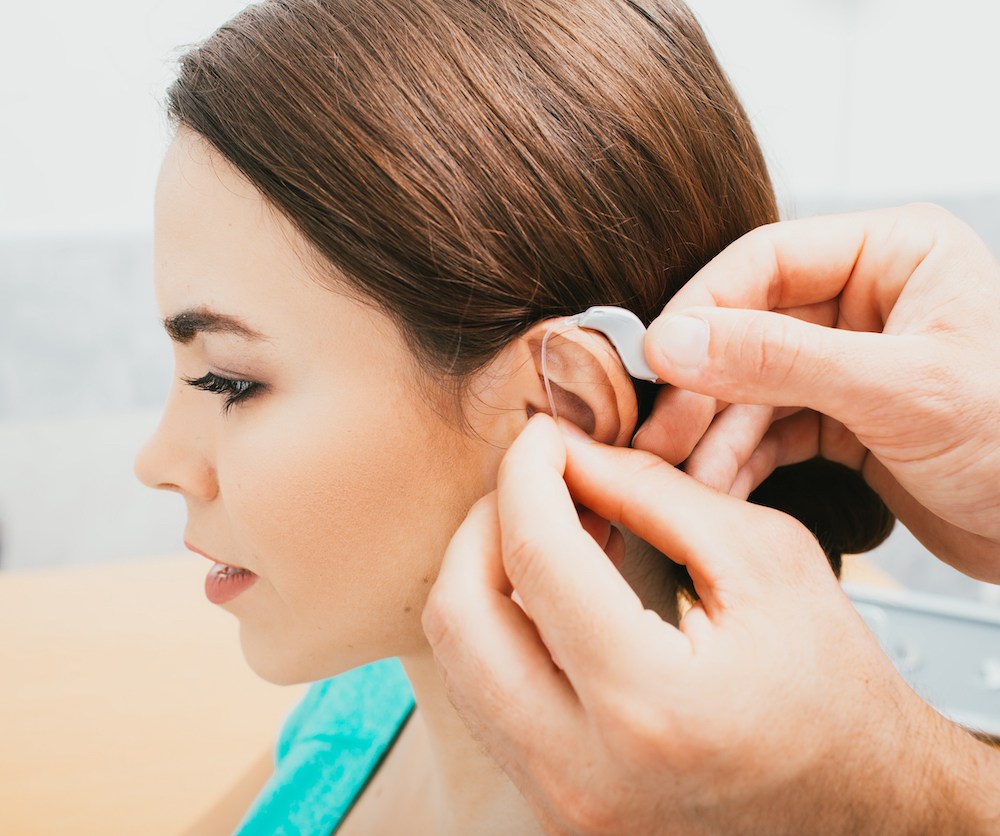
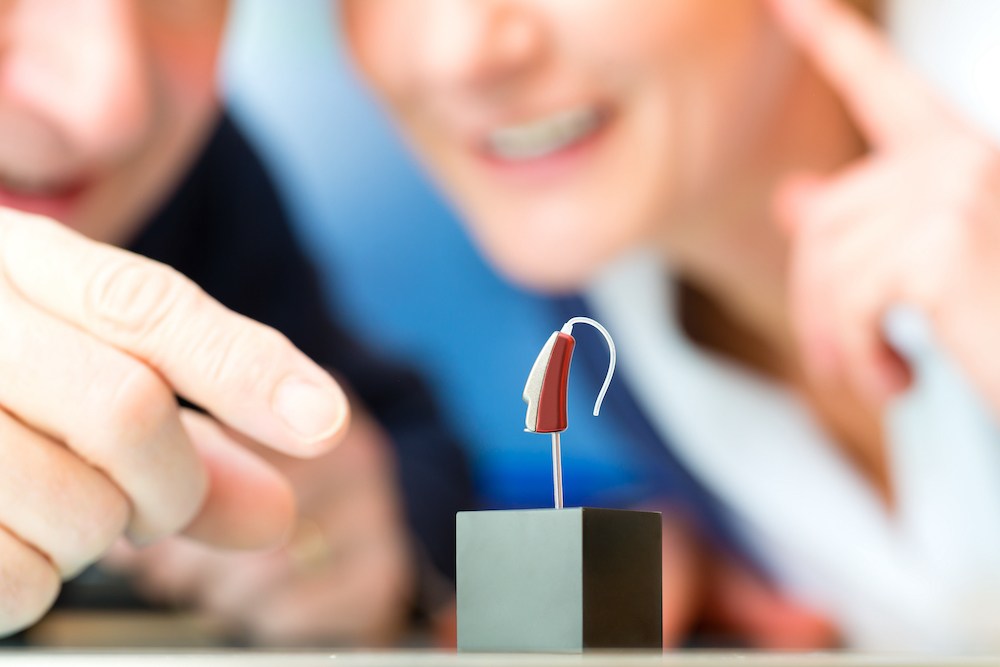
Not all hearing aids handle moisture the same way. Behind-the-ear (BTE) and receiver-in-canal (RIC) models have components that sit outside the ear, putting them in direct contact with sweat and humid air throughout the day.

In-the-ear (ITE) and completely-in-canal (CIC) devices fit deeper in the ear canal, which offers some shelter from the elements but can also trap moisture against the skin.

Every style has its tradeoffs when the humidity climbs. If you spend a lot of time outside or tend to sweat, that’s worth talking through when choosing a device.

Where Moisture Gets Into Your Hearing Aids

Your hearing aids have tiny openings that make it easy for moisture to find its way inside. Physical sweat often creeps in through the battery doors, microphone ports and seams in the plastic casing during outdoor activities.

Even small droplets can reach the fragile electronic components inside and cause rust or corrosion. Physical movement can also push sweat into the tubing or around the receiver, which blocks sound and leads to sudden shut-offs.

Environmental humidity presents a different kind of challenge as the weather warms up in the spring. Damp air turns into tiny water vapors that easily slide into those same small openings without you even realizing it.

This invisible moisture settles on the internal parts, causing issues like static or muffled sound when you try to follow a conversation.

Clothing Advice for Southern Virginia Spring Weather

Spring in southern Virginia can go from sunny to sticky in a single afternoon, and your hearing aids feel every bit of that shift. Whether you’re out in the garden or walking the trails, humidity is something they’re dealing with right alongside you.

Dressing for these rapidly shifting conditions helps you stay active while keeping dampness away from your ears. Consider incorporating these practical items into your daily outfit to keep moisture at bay:

  • Moisture-wicking headbands made from soft fabrics that pull sweat away from your skin before it can slide down.
  • Wide-brimmed hats or lightweight caps that protect your face from the sun and keep unexpected rain showers away from your ears.
  • Protective sleeves or small fabric covers designed to slide directly over the devices to add an extra layer of defense against perspiration.

What to Do When Your Hearing Aids Get Wet

Spring rain showers often arrive without warning and can catch you completely off guard while you are out running errands. If you get caught in a sudden downpour, your immediate actions can make all the difference in protecting your devices.

Knowing exactly how to handle wet hearing aids prevents water from settling into the delicate internal components. Follow these emergency steps immediately after getting caught in heavy rain:

  • Turn off the devices right away to stop the electrical current and prevent a short circuit.
  • Open the battery doors and remove the batteries completely so trapped moisture can begin to evaporate.
  • Wipe the exterior gently with a soft cloth or dry towel, but never use a hairdryer since intense heat can melt the plastic casing.

Taking Care of Your Hearing Aids at Night

At the end of a long day, it is completely natural to just want to take your hearing aids out and tumble straight into bed. However, taking just sixty seconds to care for them before you sleep makes a massive difference in how well they work tomorrow.

Throughout the day, your devices gather a surprising amount of invisible sweat, moisture and dust just from sitting against your skin. Creating a simple bedtime habit prevents that dampness from getting trapped inside and wearing down the parts while you rest.

You can start by giving each device a quick wipe down with a soft, clean cloth to clean off any buildup from the day. After that, go ahead and open up the battery doors completely so fresh air can flow through the inside components all night long.

For the absolute best results, pop them into a little drying cup or a dehumidifier on your nightstand before you turn off the lights.

Choosing the Right Drying Kit for Your Hearing Aids

When you first receive your devices, they usually come with a standard plastic storage case. A case protects your hearing aids from drops and spills, but it won’t do anything about the moisture that builds up during the day.

In fact, snapping a regular container shut can trap damp air inside with your devices all night long. That is why choosing an active drying system is a much better option when the weather gets warm and muggy.

You have a couple of great options to look into, depending on your daily routine and lifestyle. Standard drying kits use a replaceable block or disc called a desiccant that naturally pulls water right out of the air and your devices.

If you want something a bit more automated, electronic dry boxes use gentle heat and fans to safely dry everything out overnight. Using one every night helps prevent static and keeps your devices performing the way they should.

When to See an Audiologist for Moisture Problems

Sometimes, despite your best efforts with drying cups and nightly wipes, moisture can still get the upper hand inside your devices. If you are dealing with constant static, muffled voices or a device that keeps shutting down, it is likely time to get an expert opinion.

Many people find themselves facing these exact same issues when the weather warms up, so there is no need to feel discouraged. Seeking help early keeps minor dampness from turning into a major headache down the road.

Bringing your devices to an audiologist for a checkup is a quick and stress-free process. The clinic uses specialized tools like hearing aid vacuums to safely pull out deeply trapped water droplets that home kits simply cannot reach.

Your specialist will also look inside to check for any signs of internal rust, clear away debris and replace tiny parts like wax guards that might be waterlogged.

Don’t Let Moisture Slow You Down This Spring

Moisture is one of the most common reasons hearing aids end up needing repairs, and spring is when it tends to catch people off guard. Drying your devices at night, wiping them down after a sweaty afternoon and knowing when to take them out adds up over the course of a season.

If you’re noticing issues with your hearing aids or just want to make sure you’re caring for them the right way heading into warmer weather, Ashbrook Audiology is here to help. Call our Danville team at (434) 792-2182 or Martinsville at (276) 666-0401 to schedule a visit.